Understanding Acne: Adults vs Teenagers
Acne is a common skin condition that affects people of all ages, but its causes, characteristics, and treatment strategies can differ significantly between adults and teenagers. Understanding these differences is crucial for effective prevention and management. Let’s dive into the science and practical strategies to keep your skin healthy, no matter your age.
What Causes Acne in Teenagers?
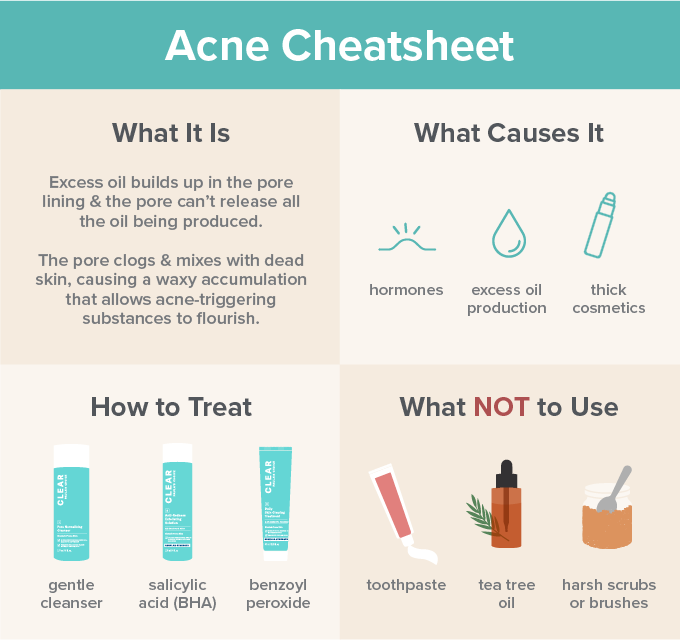
Teenage acne is primarily driven by hormonal changes during puberty. As androgen levels surge, the sebaceous glands produce excess oil (sebum). This sebum, combined with dead skin cells, clogs pores and creates the perfect environment for acne-causing bacteria (Propionibacterium acnes) to thrive. The result? Whiteheads, blackheads, and inflamed pimples typical of teenage acne.
Key Characteristics:
- Usually concentrated on the forehead, nose, and chin (T-zone).
- Often linked to oily skin type.
- Can be aggravated by poor skincare habits and comedogenic makeup products.
What Causes Acne in Adults?
Adult acne tends to be influenced by different factors, although hormonal fluctuations still play a role—especially during menstruation, pregnancy, or stress. Other contributing factors include:
- Chronic stress: Elevates cortisol levels, which can increase oil production and inflammation.
- Diet: High glycemic index foods and dairy may worsen acne in some individuals.
- Underlying health issues: Conditions like polycystic ovary syndrome (PCOS) can cause adult acne.
- Skincare products: Using products that aren’t suited to your skin type can clog pores.
- Aging skin: Adult acne often appears alongside dry or combination skin, unlike the oily skin seen in teenagers.
Key Characteristics:
- Commonly affects the lower face (jawline, chin, and neck).
- Usually involves painful, cystic lesions.
- Can be persistent and slower to heal.
Prevention Tips for Teenage Acne
1. Adopt a Gentle Skincare Routine
Teenage skin can be sensitive, so opt for non-comedogenic, fragrance-free products. A basic skincare routine should include:
- Cleanser: Use a gentle, salicylic acid-based cleanser to unclog pores.
- Moisturizer: Choose lightweight, oil-free moisturizers to maintain hydration.
- SPF: Sunscreen is essential to protect against UV damage and post-acne dark spots.
2. Avoid Overwashing
Washing your face excessively can strip away natural oils, causing the skin to overcompensate by producing more sebum. Stick to cleansing twice daily.
3. Keep Hands Off Your Face
Touching your face can transfer bacteria and dirt, exacerbating acne. Avoid picking or popping pimples, as this can lead to scarring.
4. Balance Your Diet
Although research is still ongoing, some studies suggest that reducing sugary and processed foods may help minimize teenage acne. Incorporate more vegetables, fruits, and whole grains into your meals.
Prevention Tips for Adult Acne
1. Tailor Your Skincare Routine
Adult skin often requires more specialized care. Look for products that target both acne and signs of aging, such as:
- Retinoids: These vitamin A derivatives can unclog pores while improving skin texture and reducing fine lines.
- Niacinamide: Helps reduce inflammation and improve skin barrier function.
- Non-comedogenic moisturizers: Hydration is key, even for acne-prone skin.
2. Manage Stress Effectively
Chronic stress can trigger hormonal imbalances. Incorporate stress-relief practices, such as yoga, meditation, or regular exercise, into your routine to keep cortisol levels in check.
3. Prioritize Sleep
Poor sleep habits can disrupt your skin’s repair cycle, worsening acne. Aim for 7-9 hours of quality sleep per night.
4. Evaluate Your Diet
While not everyone’s acne is food-related, cutting back on dairy or high glycemic index meals may benefit some adults. Experiment with dietary changes to find what works for you.
5. Check Hormonal Health
If you suspect underlying hormonal imbalances like PCOS, consult a healthcare provider for appropriate treatment options. Hormonal therapies such as oral contraceptives or spironolactone are often effective for adult acne.
Common Prevention Strategies for Both Age Groups
1. Maintain Consistency
Consistency is key to preventing acne—stick to your skincare routine and give products time to show results, typically 4-6 weeks.
2. Avoid Harsh Ingredients
Products with alcohol, sulfates, or artificial fragrances can irritate the skin and worsen acne. Opt for gentle, dermatologist-approved formulas.
3. Don’t Forget Sunscreen
Sun damage can exacerbate acne and lead to post-inflammatory hyperpigmentation (acne scars). Always use broad-spectrum sunscreen with SPF 30 or higher.
4. Stay Hydrated
Hydration helps maintain a healthy skin barrier, which is essential for preventing acne. Drink plenty of water throughout the day.
When to See a Dermatologist
If your acne doesn’t improve despite following these prevention tips, or if it’s causing physical or emotional distress, it’s time to consult a dermatologist. They can recommend prescription treatments such as topical retinoids, benzoyl peroxide, antibiotics, or even oral medications like isotretinoin.
Final Thoughts
Both teenage and adult acne can be frustrating, but understanding the differences and tailoring your prevention strategies can make a significant impact. By adopting a consistent skincare routine, managing stress, and addressing underlying health factors, you can pave the way to clearer, healthier skin—at any age.
Remember, patience is key. Acne doesn’t disappear overnight, but with persistence and the right approach, you’re well on your way to achieving your skincare goals.
Do you struggle more with adult acne or teenage acne? Share your experience below and let’s continue the conversation!