Adult Acne vs Teenage Acne: Natural Remedies Explored
Acne can be a pesky problem at any age. While commonly associated with adolescence, adult acne is increasingly prevalent, affecting many who thought they had left their teenage breakouts behind. Understanding the differences between adult and teenage acne is crucial to finding the right natural remedies for your skin. Let's delve into the causes, differences, and natural solutions for acne at different stages of life.
Understanding Teenage Acne
Causes of Teenage Acne
Teenage acne primarily arises due to hormonal changes during puberty. The surge of androgens, hormones that increase during puberty, stimulates sebaceous glands to produce more oil (sebum). This excess oil, combined with dead skin cells, can clog pores and lead to acne.
Characteristics of Teenage Acne
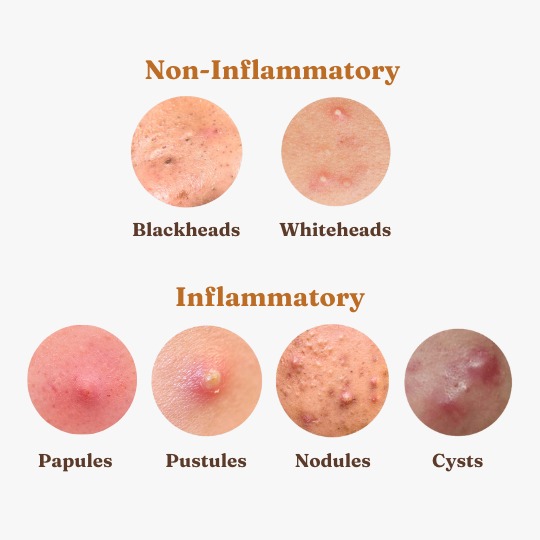
Teenage acne often manifests as whiteheads, blackheads, and pimples predominantly on the forehead, nose, and chin—areas with a higher concentration of sebaceous glands. These breakouts are typically more inflammatory due to the skin’s heightened response to the hormonal changes.
Natural Remedies for Teenage Acne
Tea Tree Oil: Known for its antibacterial properties, tea tree oil can be applied directly to spots as a natural alternative to benzoyl peroxide. A study published in The Medical Journal of Australia found that a 5% tea tree oil gel was effective in reducing acne lesions.
Aloe Vera: Aloe vera gel, with its soothing and anti-inflammatory properties, can help reduce redness and inflammation. Applying fresh aloe vera to affected areas twice daily can promote healing.
Healthy Diet: Encouraging a balanced diet rich in fruits, vegetables, and omega-3 fatty acids can help manage acne. A study in The American Journal of Clinical Nutrition suggested that a low-glycemic index diet may reduce acne severity.
Understanding Adult Acne
Causes of Adult Acne
Adult acne can be triggered by a variety of factors, including hormonal fluctuations (e.g., during menstruation or menopause), stress, and skincare products. Unlike teenage acne, adult acne is often linked to lifestyle factors and may persist into the 30s, 40s, and beyond.
Characteristics of Adult Acne
Adult acne usually appears on the lower part of the face, such as the jawline, chin, and neck. It tends to be less inflammatory than teenage acne but can result in painful cysts and nodules, often leaving scars if not properly managed.
Natural Remedies for Adult Acne
Apple Cider Vinegar: With natural antibacterial and antifungal properties, apple cider vinegar can balance the skin’s pH and reduce acne lesions. Dilute with water and use as a toner once daily.
Green Tea Extract: Rich in antioxidants, green tea can help reduce inflammation. A study published in the Journal of Investigative Dermatology highlighted the efficacy of topical green tea in reducing sebum production and acne.
Stress Management: Stress can exacerbate adult acne. Incorporating stress-relieving practices such as yoga, meditation, or regular exercise can improve overall skin health.
Common Myths About Acne
Myth 1: Only Teens Get Acne
Not true! Adult acne is a legitimate concern for many, often linked to lifestyle and environmental factors.
Myth 2: Sun Exposure Clears Acne
While sun exposure can temporarily mask acne symptoms, it can worsen acne and lead to premature skin aging.
Myth 3: Greasy Foods Cause Acne
While diet influences skin health, greasy foods are not directly responsible for acne. A balanced diet is crucial for maintaining healthy skin.
Conclusion
Whether you're dealing with teenage or adult acne, understanding the root causes and choosing the right natural remedies can make a significant difference. Remember, what works for one person may not work for another, so it’s important to find a regimen that suits your skin type and lifestyle. By incorporating these natural remedies and maintaining a healthy lifestyle, managing acne naturally is well within reach.
For persistent acne, consider consulting a dermatologist who can provide personalized advice and treatment options tailored to your skin’s needs.