Adult Acne vs Teenage Acne: The Key Differences and How to Treat Both
Acne doesn’t discriminate—it affects people of all ages. While many associate acne with the teenage years, it’s increasingly common for adults to struggle with breakouts. In fact, the American Academy of Dermatology (AAD) reports that adult acne affects up to 50% of women and 25% of men over 25 years old. While adult acne and teenage acne share some similarities, their causes, appearance, and treatments can differ significantly.
In this article, we’ll dive into the distinctions between adult acne and teenage acne, explore their unique causes, and provide actionable tips to help you manage and treat acne effectively, regardless of your age.
What Causes Acne?
Before exploring the differences, let’s briefly discuss acne itself. Acne occurs when hair follicles become clogged with oil (sebum), dead skin cells, and sometimes bacteria. The result can be blackheads, whiteheads, pimples, or cystic lesions. Hormonal fluctuations, stress, diet, and genetics all contribute to acne, but how these factors manifest can vary based on age.
Teenage Acne: Driven by Hormonal Surges
Appearance and Presentation
Teenage acne typically appears during puberty, when hormones like androgens surge and stimulate excess oil production. This overproduction clogs pores and creates the perfect environment for acne-causing bacteria to thrive. Teenage acne often presents as:
- Blackheads and whiteheads (comedonal acne)
- Inflamed pimples and pustules
- Cystic acne, especially on the face, chest, and back
Common Causes
- Hormonal changes: During puberty, elevated levels of androgens increase sebum production, leading to oily skin and clogged pores.
- Improper skincare routines: Many teens use harsh scrubs or skip moisturizing, exacerbating acne.
- Lifestyle factors: Diet and stress, though secondary contributors, can play a role in breakouts.
Treatment Tips for Teenage Acne
- Use gentle cleansers: Overwashing or using harsh products can strip the skin and worsen oil production.
- Incorporate salicylic acid or benzoyl peroxide: These ingredients help unclog pores and reduce inflammation.
- Avoid popping pimples: This can lead to scarring and spread bacteria.
- See a dermatologist: Severe cases may require prescription treatments like topical retinoids or oral antibiotics.
Adult Acne: More Than Just Hormones
Appearance and Presentation
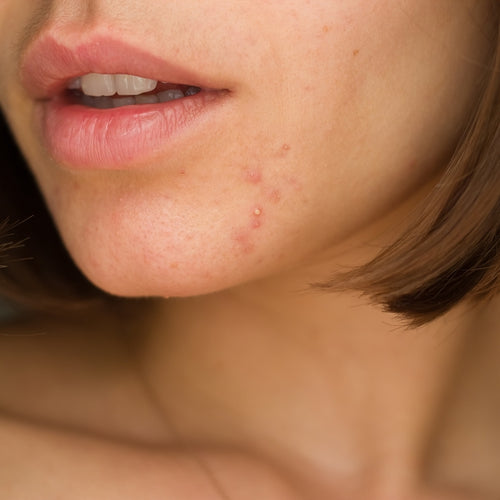
Adult acne typically affects the lower face, including the jawline, chin, and neck. It often presents differently than teenage acne:
- Deep, painful cysts that are harder to treat
- Persistent pimples that don’t resolve
- Post-inflammatory hyperpigmentation (dark spots left after breakouts)
Common Causes
- Hormonal fluctuations: Adult women may experience acne due to menstrual cycles, pregnancy, polycystic ovary syndrome (PCOS), or menopause.
- Stress: Chronic stress increases cortisol, which can trigger inflammation and oil production.
- Diet and lifestyle: Diets high in sugar and dairy have been linked to acne in adults.
- Skincare habits: Using pore-clogging makeup or neglecting proper cleansing can exacerbate breakouts.
- Underlying health conditions: In some adults, acne reflects deeper issues like hormonal imbalances.
Treatment Tips for Adult Acne
- Begin with a gentle skincare routine: Focus on products with non-comedogenic labels to avoid clogging pores.
- Introduce targeted ingredients: Look for products with:
- Niacinamide for inflammation
- Retinol or adapalene for skin renewal
- Azelaic acid for dark spots and acne control
- Manage stress: Incorporate stress-relieving practices like yoga, meditation, or regular exercise.
- Evaluate your diet: Reduce processed foods and dairy, which may trigger breakouts for some.
- Consult a dermatologist: Adult acne may require treatments like hormone therapy (e.g., birth control pills or spironolactone) or prescription-strength retinoids.
Key Differences Between Teenage and Adult Acne
| Feature | Teenage Acne | Adult Acne |
|---|---|---|
| Affected Areas | Face, chest, back | Jawline, chin, neck |
| Hormonal Role | Puberty-driven androgen surges | Menstrual cycles, stress, menopause |
| Pimple Types | Blackheads, whiteheads, pustules | Cysts, persistent pimples |
| Other Factors | Poor skincare, diet impacts | Stress, lifestyle, skincare habits |
| Healing Time | Faster | Slower, often leaves dark spots |
Should You Treat Acne Differently Based on Age?
Absolutely! While some ingredients like salicylic acid and benzoyl peroxide work well for both teenage and adult acne, adults often need gentler, hydrating products due to slower skin recovery and the risk of dryness. Additionally, hormonal treatments are more commonly used for adults.
General Tips for Managing Acne at Any Age
Whether you’re a teen or an adult, maintaining a consistent skincare routine is key. Here are universal tips for dealing with acne:
- Cleanse gently twice daily: Avoid harsh scrubs that can irritate your skin.
- Moisturize: Hydration is essential, even for oily skin.
- Wear sunscreen: Protect against dark spots and aging caused by UV exposure.
- Avoid touching your face: This reduces the transfer of bacteria.
- Stay patient: Acne treatments often take weeks to show results.
Final Thoughts
While teenage acne is often driven by puberty and hormonal surges, adult acne tends to be influenced by stress, lifestyle, and underlying health conditions. Understanding these differences can help you choose the most effective treatments for your skin. When in doubt, consulting a dermatologist ensures you get tailored advice and professional support.
Remember, acne doesn’t define your worth, and with the right approach, clearer skin is achievable at any age.
If you’re struggling with acne and aren’t sure where to start, check out our guide to best acne treatments or contact a dermatologist today.