Adult Acne vs Teenage Acne: What You Need to Know
Acne is often thought of as a teenage problem, but it’s not just limited to adolescents. Many adults struggle with acne well into their 20s, 30s, and beyond. While both teenage and adult acne share similarities, they also differ in underlying causes, affected areas, and best treatment approaches. In this blog, we’ll explore these differences, backed by science, and offer practical tips to help you manage acne at any age.
The Basics: What Causes Acne?
Acne occurs when hair follicles become clogged with oil (sebum) and dead skin cells. This creates the perfect environment for bacteria, such as Cutibacterium acnes, to thrive, leading to inflammation, redness, and blemishes. Although the basic mechanism is the same, the triggers for teenage and adult acne can vary significantly.
Teenage Acne: The Role of Hormones and Skin Changes
Teenage acne is incredibly common, affecting approximately 85% of teens, according to the American Academy of Dermatology (AAD). Here are the key factors behind teenage acne:
- Hormonal Surges: During puberty, hormones like androgens spike, causing sebaceous (oil) glands to produce excessive sebum. This leads to clogged pores, blackheads, and pimples.
- Oily Skin: Teens often have naturally oilier skin, making them more prone to acne.
- Common Affected Areas: Teenage acne typically appears on the T-zone (forehead, nose, and chin), where sebaceous glands are most active.
Tips to Manage Teenage Acne:
- Cleanse Gently: Use a gentle, non-comedogenic cleanser twice a day to remove excess oil and dirt without irritating the skin.
- Introduce Salicylic Acid or Benzoyl Peroxide: Over-the-counter products with these ingredients can help unclog pores and reduce inflammation.
- Avoid Overwashing: Scrubbing the face too hard or washing too frequently can strip the skin of its natural barrier, causing more irritation.
- Moisturize with Care: Opt for lightweight, oil-free moisturizers to keep the skin hydrated without adding extra oil.
- See a Dermatologist if Needed: For severe or persistent acne, consult a dermatologist for prescription treatments like retinoids or oral antibiotics.
Adult Acne: Stress, Hormones, and Lifestyle Factors
Adult acne affects up to 15% of women and 5% of men, with women being disproportionately affected due to hormonal fluctuations. Here’s what you need to know about adult acne:
- Hormonal Fluctuations: Events such as menstruation, pregnancy, and menopause can trigger hormonal imbalances in women, leading to acne outbreaks. Polycystic ovary syndrome (PCOS) is another common culprit.
- Stress: Stress increases cortisol levels, which can stimulate oil production and worsen adult acne.
- Lifestyle Factors: Diet, sleep habits, and skincare routines play a larger role in adult acne compared to teenage acne. High-glycemic foods, dairy, and poor sleep are often linked to breakouts.
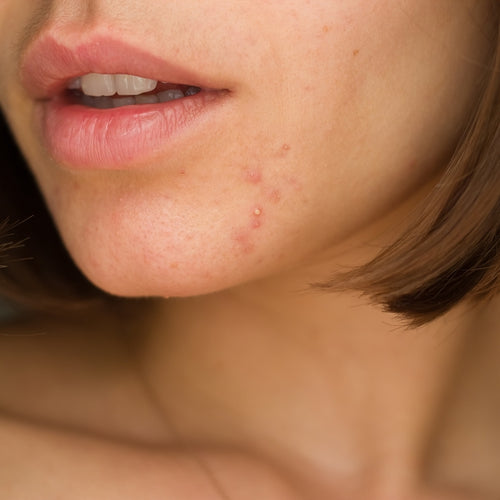
- Common Affected Areas: Unlike teenage acne, adult acne often appears on the lower face, such as the jawline, chin, and neck. This pattern is often indicative of hormonal acne.
Tips to Manage Adult Acne:
- Opt for Gentle Cleansers: Adult skin is usually drier than teenage skin, so use a mild, hydrating cleanser to avoid over-drying.
- Incorporate Retinoids: Retinoids promote cell turnover, unclog pores, and have anti-aging benefits, making them ideal for adult acne.
- Address Hormonal Imbalances: If hormonal acne is suspected, speak to your doctor about options like oral contraceptives or spironolactone, a medication that reduces androgen activity.
- Watch Your Diet: Reduce your intake of sugary and high-glycemic foods, which can spike blood sugar levels and exacerbate acne.
- Practice Stress Management: Incorporate stress-reducing activities like meditation, yoga, or regular exercise into your routine.
- Hydration and Sun Protection: Use a non-comedogenic moisturizer and apply sunscreen daily to protect skin from UV damage and irritation.
Key Differences Between Teenage and Adult Acne
| Factor | Teenage Acne | Adult Acne |
|---|---|---|
| Hormonal Influence | Puberty-driven | Menstrual cycle, stress, menopause |
| Skin Type | Oily skin | Drier skin with sensitivity |
| Common Areas | T-zone | Jawline, chin, neck |
| Lifestyle Influence | Minimal | Significant (diet, stress, skincare) |
When to See a Dermatologist
Whether you’re a teen or an adult, if your acne is severe, cystic, or not responding to over-the-counter treatments, it’s time to consult a dermatologist. They can recommend advanced options like prescription-strength topical treatments, oral medications, or in-office procedures such as chemical peels or laser therapy.
Final Thoughts: A Tailored Approach for Clearer Skin
Understanding the differences between teenage and adult acne is the first step toward managing your skin effectively. While teenage acne often resolves with time, adult acne may require a more targeted, long-term approach. By identifying your triggers and adopting a consistent skincare routine tailored to your skin type and age, you can achieve healthier, clearer skin at any stage of life.
Remember, patience is key when it comes to treating acne. Most treatments take weeks or even months to show results. Stay consistent, and don’t hesitate to seek professional guidance for stubborn acne. Clear skin is possible with the right strategy and support!