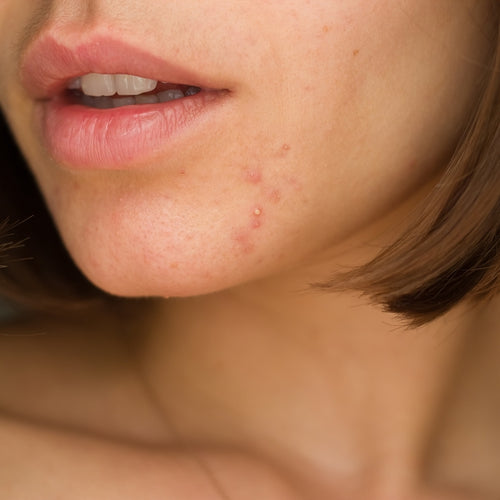
Adult Acne vs Teenage Acne: Understanding the Key Differences
Acne is often thought of as a teenage problem, but many adults experience it too. While both teenage and adult acne share some similarities, they differ significantly in causes, triggers, and treatments. Whether you're battling breakouts as a teen or dealing with unexpected blemishes as an adult, understanding the root of the problem is key to effective management.
What Causes Acne?
Before diving into the differences between teenage and adult acne, let’s quickly revisit what causes acne:
Acne forms when hair follicles become clogged with oil (sebum), dead skin cells, and bacteria. It can manifest as blackheads, whiteheads, papules, pustules, nodules, or cysts, depending on the severity. Although hormonal fluctuations are a common driver, lifestyle factors and genetics also play a role.
Teenage Acne: Driven by Hormonal Rollercoasters
Hormonal Changes During Puberty
Teenage acne is largely fueled by the surge of androgens (hormones like testosterone) that occur during puberty. These hormones stimulate the sebaceous glands to produce excess sebum, leading to clogged pores and acne. Since this hormonal upheaval affects nearly all teens, it explains why acne is so common during adolescence.
Typical Areas of Breakouts
Teenage acne most commonly appears on the T-zone, which includes the forehead, nose, and chin. These areas tend to be oilier during puberty.
Emotional Impact
For teens, acne can often feel like more than a skin issue. It can affect self-esteem and confidence, especially at a time when social interactions are paramount.
Practical Tips for Managing Teenage Acne:
- Start with Gentle Products: Teens should use a mild cleanser and avoid harsh scrubbing, which can irritate the skin.
- Introduce OTC Treatments: Over-the-counter products with benzoyl peroxide or salicylic acid can help keep breakouts under control.
- Avoid Picking at Pimples: Picking and squeezing can cause scarring and worsen inflammation.
Adult Acne: A Multifaceted Condition
Hormonal Fluctuations and Stress
While teens face acne due to puberty, adults often experience acne related to other hormonal changes, such as during pregnancy, menstruation, or menopause. Stress is another major trigger, as it can lead to increased cortisol levels, which stimulate oil production.
Lifestyle Factors
Unlike teenage acne, adult acne is often influenced by lifestyle factors such as diet, sleep hygiene, and skincare routines. For example, high-glycemic foods or dairy have been linked to acne in some individuals, while lack of sleep can exacerbate inflammation.
Typical Areas of Breakouts
Adult acne tends to appear more on the lower face, particularly the jawline, chin, and neck. This distribution is often associated with hormonal imbalances.
Emotional Impact
Acne in adulthood can feel particularly frustrating, as many adults believe they’ve “outgrown” this issue. It can also be linked to feelings of embarrassment or diminished confidence, especially in professional settings.
Practical Tips for Managing Adult Acne:
- Focus on Hormonal Balance: Consult a dermatologist to explore treatments like oral contraceptives or anti-androgen medications if hormonal fluctuations are the main culprit.
- Adopt a Healthy Lifestyle: Maintain a balanced diet rich in antioxidants, get adequate sleep, and manage stress through mindfulness or exercise.
- Update Your Skincare Routine: Switch to non-comedogenic products and incorporate targeted treatments like retinoids or azelaic acid to combat adult acne.
How Teenage and Adult Acne Differ
Root Causes
While hormonal changes drive both teenage and adult acne, the triggers can vary. Teen acne is primarily hormonal, whereas adult acne may also stem from lifestyle factors, stress, or underlying medical conditions.
Skin Type Differences
Teen skin tends to be oilier, making it more prone to clogged pores. Adult skin is often drier or more sensitive, which means it requires gentler products.
Treatment Approaches
Teens may respond well to over-the-counter treatments, while adults often require prescription medications or more advanced therapies like chemical peels or laser treatments.
Scientific Backing: What Studies Say
Studies show that acne affects an estimated 85% of teenagers and approximately 25% of adults aged 25-40. Research also suggests that adult acne is more prevalent in women than in men, likely due to hormonal fluctuations linked to menstruation, pregnancy, and menopause.
A 2016 review published in the Journal of the American Academy of Dermatology highlights the role of stress and diet in adult acne, emphasizing that lifestyle adjustments can make a significant difference.
When to Consult a Dermatologist
While many cases of teenage and adult acne can be managed with over-the-counter products and lifestyle changes, some situations require professional help. Consult a dermatologist if:
- Acne is severe and painful (nodules or cysts).
- Over-the-counter treatments aren’t working after 6-8 weeks.
- You experience emotional distress related to your acne.
A dermatologist can offer treatments like topical retinoids, oral medications, or in-office procedures to target stubborn acne effectively.
Final Takeaway
Whether you’re a teenager dealing with your first breakout or an adult frustrated by unexpected flare-ups, acne is a common and treatable condition. Understanding the differences between teenage and adult acne can help you adopt the right strategies to manage your skin effectively. Remember, consistency is key, and seeking professional advice when needed can make all the difference.
Actionable Summary:
- Teens: Focus on gentle cleansers and OTC treatments like benzoyl peroxide.
- Adults: Address lifestyle factors and consider prescription options for hormonal acne.
- Both: Avoid harsh scrubbing, stay hydrated, and consult a dermatologist for persistent acne.
Empower yourself with knowledge and take the first step toward clearer, healthier skin today!