Adult Acne vs Teenage Acne: Understanding the Differences and Treatments
Acne is a skin condition that doesn’t discriminate—it can affect anyone, regardless of age. While it’s often associated with the teenage years, many adults continue to struggle with acne well into their 20s, 30s, and beyond. But did you know that adult acne differs from teenage acne in terms of causes, skin type, and treatment approaches? If you’re wondering why your skincare regimen from high school isn’t cutting it anymore, this article is here to break down the differences and guide you toward effective solutions.
What Is Acne?
Acne is a common skin condition characterized by clogged pores, inflammation, and sometimes bacterial infections. It typically appears as blackheads, whiteheads, pustules, cysts, or nodules. Although acne can affect any part of the body, it’s most common on the face, chest, and back.
Key Differences Between Adult and Teenage Acne
1. Location of Breakouts
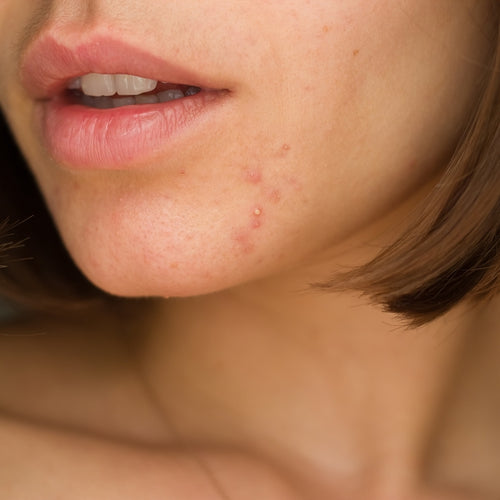
Teenage acne generally appears across the T-zone (forehead, nose, and chin), where oil production is at its peak due to raging hormonal activity during puberty. On the other hand, adult acne tends to favor the lower parts of the face, including the jawline, chin, and neck. This distribution is often linked to hormonal fluctuations and stress.
2. Causes
Teenage Acne: Hormonal surges during puberty are the primary driver of teenage acne. Increased levels of androgens stimulate oil production in the sebaceous glands, which can clog pores and lead to breakouts. Genetics can also play a significant role.
Adult Acne: While hormones are still a factor, adult acne is often exacerbated by lifestyle choices, chronic stress, and environmental factors. Other contributors may include:
- Stress: Elevated cortisol levels can trigger inflammation and increased oil production.
- Hormonal Imbalances: Conditions like polycystic ovary syndrome (PCOS) or fluctuations during menstruation, pregnancy, or menopause are common culprits.
- Skincare Products: Using products that are too harsh or not suitable for your skin type can disrupt the skin barrier.
- Diet: Foods high in sugar or dairy may spike insulin levels, potentially worsening acne.
- Medications: Certain drugs, like corticosteroids or birth control pills, may affect hormone levels and lead to acne.
3. Skin Type
Teenagers often have oilier skin due to heightened sebaceous gland activity. Adults, however, may experience more dryness or sensitivity, especially as skin naturally produces less oil with age. This distinction is important when choosing the right skincare products.
4. Healing and Scarring
Adult skin tends to heal more slowly than teenage skin. This makes adults more prone to lingering hyperpigmentation and scarring, which can be difficult to treat without professional intervention.
Treatment Strategies for Teenage and Adult Acne
General Acne Treatment Principles
Regardless of age, acne treatment typically revolves around controlling oil production, keeping pores clear, reducing inflammation, and preventing bacterial growth. However, tailoring your approach to age-specific needs can make a significant difference.
Treating Teenage Acne
- Focus on Oil Control: Stick to lightweight, oil-free products to avoid clogging pores. Look for cleansers containing salicylic acid or benzoyl peroxide.
- Establish a Skincare Routine: Teenagers benefit from simple, consistent routines, including cleansing, moisturizing, and sun protection.
- Use OTC Products: Over-the-counter treatments with active ingredients like benzoyl peroxide (anti-bacterial) or salicylic acid (exfoliating) are effective for mild-to-moderate teenage acne.
- Avoid Picking: Encourage teens not to pop or pick at pimples to prevent scarring.
- Consult a Dermatologist for Severe Cases: If OTC treatments aren’t effective, a dermatologist may prescribe topical retinoids or antibiotics.
Treating Adult Acne
- Address Hormonal Triggers: Adult acne is often hormonally driven, so treatments like oral contraceptives or spironolactone may be recommended to regulate hormone levels.
- Use Gentle Products: Because adult skin is often more sensitive, opt for non-comedogenic, fragrance-free, and hydrating formulations. Look for soothing ingredients like niacinamide or ceramides.
- Incorporate Retinoids: Topical retinoids, such as tretinoin, improve cell turnover and unclog pores. They’re also anti-aging—a bonus for adults.
- Try Targeted Spot Treatments: Products with benzoyl peroxide or sulfur can help reduce inflammation and shrink individual blemishes.
- Evaluate Your Diet: Adults should consider cutting back on dairy and high-glycemic foods, as these may contribute to breakouts.
- Manage Stress: Mindfulness practices, regular exercise, and adequate sleep can lower cortisol levels and improve skin health.
- Professional Treatments: Adults struggling with stubborn acne may benefit from professional options like chemical peels, laser therapy, or light-based treatments.
Practical Tips for Preventing Acne at Any Age
- Keep Skin Clean: Cleanse twice a day with a gentle, pH-balanced cleanser to remove dirt, oil, and makeup.
- Moisturize: Hydration helps maintain a healthy skin barrier, even for oily skin types.
- Protect Against Sun Damage: Use a broad-spectrum SPF daily to prevent post-acne marks and premature aging.
- Avoid Touching Your Face: Your hands carry bacteria that can worsen breakouts.
- Wash Pillowcases Weekly: Dirty pillowcases can harbor oils and bacteria that contribute to acne.
- Use Non-Comedogenic Products: Ensure your makeup and skincare are formulated not to clog pores.
When to Seek Professional Help
If your acne—whether teenage or adult—is persistent, painful, or scarring, it’s time to consult a dermatologist. They can recommend prescription-strength treatments or even advanced therapies tailored to your needs.
Final Thoughts
Teenage acne and adult acne may share similar symptoms, but their underlying causes and appropriate treatments vary widely. Understanding these differences is the key to finding a skincare routine that works for your unique skin needs. By combining science-backed products, healthy lifestyle choices, and professional guidance when necessary, you can take control of your acne and enjoy clearer skin at any age.
Remember, patience and consistency are crucial—acne treatment takes time, but the results are worth it!
Frequently Asked Questions
Q: Is it normal to have acne as an adult? A: Yes, adult acne is very common, especially in women due to hormonal fluctuations.
Q: Can stress really cause acne? A: Absolutely! Stress increases cortisol, which can trigger oil production and inflammation.
Q: What’s the best ingredient for acne treatment? A: Commonly recommended ingredients include salicylic acid, benzoyl peroxide, and retinoids.
Q: How long does it take for acne treatments to work? A: Most treatments take 6-8 weeks to show noticeable results. Stick with your regimen!