Introduction
Acne is often thought of as a teenage problem, but for many adults, it remains an unwelcome companion well into their 20s, 30s, and beyond. Whether you're battling breakouts as a teenager or an adult, understanding the differences between the two types of acne can help you tailor your skincare routine and find effective treatments. Let’s dive into the key distinctions between adult and teenage acne, their causes, and actionable steps to manage both.
Causes: Why Acne Occurs at Different Ages
Teenage Acne
Teenage acne is primarily driven by hormonal changes during puberty. As the body undergoes rapid development, an increase in androgen hormones (like testosterone) stimulates the sebaceous glands to produce more oil (sebum). This excess oil can clog pores, leading to acne. Additionally, dead skin cells and bacteria, particularly Propionibacterium acnes (P. acnes), exacerbate the problem.
Common contributors to teenage acne include:
- Hormonal surges during puberty
- Poor skincare habits or lack of awareness
- Greasy hair products or makeup
- Dietary factors (though evidence is mixed)
Adult Acne
Adult acne, on the other hand, is often triggered by a different set of factors. While hormonal changes can still play a role, adult acne is frequently tied to lifestyle and external stressors. Women, in particular, may experience acne flare-ups due to hormonal fluctuations related to menstruation, pregnancy, or menopause. Stress is another big culprit, as elevated cortisol levels can stimulate oil production.
Key causes of adult acne include:
- Chronic stress
- Hormonal imbalances linked to menstruation, pregnancy, or menopause
- Poor diet and inflammatory foods
- Skincare products that clog pores (comedogenic)
- Medication side effects
Differences Between Teenage and Adult Acne
Location of Breakouts
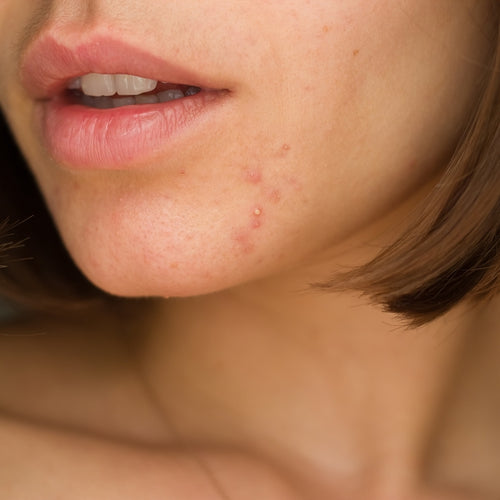
Teenagers often develop acne on the T-zone—forehead, nose, and chin—where oil production is highest. Adults, however, are more likely to experience acne along the lower face, jawline, and neck. This pattern is largely attributed to hormonal activity.
Skin Type and Healing
Teenage skin tends to be more resilient, with faster cell turnover. This means that teen acne may heal more quickly, though it can still leave scars if not treated properly. In contrast, adult skin is less elastic and slower to heal, making adult acne more likely to result in post-inflammatory hyperpigmentation or scarring.
Triggers
While teenage acne is predominantly hormonal, adult acne has a wider range of triggers, including stress, a poor skincare routine, and environmental factors. For example, wearing heavy makeup daily or failing to remove it properly can lead to clogged pores and breakouts in adults.
Treatment Options
Treating Teenage Acne
Teenage acne typically responds well to over-the-counter (OTC) treatments and basic skincare routines. However, severe cases may require professional intervention. Consider the following steps:
1. Start With OTC Products
Ingredients like salicylic acid and benzoyl peroxide are highly effective for combatting teenage acne. Salicylic acid helps exfoliate and unclog pores, while benzoyl peroxide fights acne-causing bacteria.
2. Develop a Gentle Skincare Routine
- Cleanse twice daily with a mild, non-comedogenic cleanser.
- Moisturize to keep the skin hydrated, even if it's oily.
- Sunscreen is crucial to prevent hyperpigmentation and sun damage.
3. Avoid Irritating Products
Steer clear of harsh scrubs and alcohol-based toners, which can strip the skin and cause irritation.
4. Seek Professional Help for Severe Cases
For severe or persistent teenage acne, consult a dermatologist. Prescription options like topical retinoids or oral medications (e.g., antibiotics or isotretinoin) may be necessary.
Treating Adult Acne
Adult acne often requires a more tailored approach, given its connection to lifestyle and hormonal factors. Here are actionable steps:
1. Use Targeted Skincare Ingredients
- Retinoids: These vitamin A derivatives boost cell turnover and unclog pores.
- Niacinamide: Helps regulate oil production and reduces inflammation.
- Alpha Hydroxy Acids (AHAs): Exfoliate the skin gently, reducing dead cell buildup.
2. Address Hormonal Causes
For women experiencing hormonal acne, birth control pills or hormonal treatments like spironolactone may help regulate androgen levels. Always consult your dermatologist before starting hormonal therapy.
3. Manage Stress Levels
Since stress is a major factor in adult acne, practicing stress management techniques like meditation, exercise, and adequate sleep can reduce breakouts.
4. Avoid Comedogenic Products
Switch to non-comedogenic makeup, sunscreen, and skincare products to minimize clogged pores.
5. Consider Professional Treatments
Chemical peels, laser therapy, and prescription medications may be effective for stubborn adult acne or post-inflammatory hyperpigmentation.
Lifestyle Tips for All Ages
Whether you’re dealing with teenage or adult acne, these lifestyle tips can benefit your skin:
- Eat a Balanced Diet: Limit sugary, processed, and dairy-heavy foods, as they may contribute to acne. Opt for antioxidant-rich fruits, vegetables, and omega-3 fatty acids.
- Stay Hydrated: Keeping your skin hydrated promotes a healthy barrier and reduces inflammation.
- Avoid Touching Your Face: Hands carry bacteria that can worsen acne.
- Clean Makeup Tools Regularly: Dirty brushes and sponges can harbor bacteria and cause breakouts.
- Stick to a Consistent Routine: Acne treatments take time—give them at least 6-8 weeks to show results.
When to See a Dermatologist
If your acne is painful, cystic, or unresponsive to basic treatments, it’s time to consult a dermatologist. They can provide personalized advice and prescribe medications or procedures that target your specific acne type.
Conclusion
Understanding the differences between teenage and adult acne is key to choosing the right approach for your skin. While teenage acne is often linked to hormones and oily skin, adult acne is more influenced by stress, lifestyle, and hormonal fluctuations. Both can be managed effectively with targeted treatments and healthy habits. Remember, patience is crucial—clear skin is a journey, not a sprint. If you’re struggling with acne, don’t hesitate to seek professional advice.
By knowing your skin type and adopting the right strategies, you can take control of your acne and boost your confidence at any age. Your skin deserves care and attention, regardless of the stage of life you're in!