Adult Acne vs Teenage Acne: Understanding the Differences and Solutions
Acne is often stereotyped as a teenage problem, but many adults know all too well that this skin condition doesn’t necessarily disappear after high school. Whether you’re 16 or 36, acne can affect your confidence and quality of life. However, adult acne and teenage acne are not identical, and understanding their differences is key to effective treatment. This blog dives into the causes, characteristics, and the best ways to manage acne at different stages of life.
The Science Behind Acne: What Causes It?
Acne occurs when your skin’s oil glands produce excess sebum, which mixes with dead skin cells and clogs pores. Bacteria such as Propionibacterium acnes can thrive in these clogged pores, leading to inflammation and breakouts. While the process is similar for both adults and teens, the underlying triggers often differ.
Teenage Acne: Hormonal Hurricanes
Teenage acne is primarily driven by surging hormonal changes during puberty. Androgens, such as testosterone, stimulate oil production, which can overwhelm the pores. This often happens between the ages of 12 and 18, which is why acne is so common during adolescence. Teen acne tends to appear in oily zones like the forehead, nose, and chin — collectively known as the T-zone.
Adult Acne: A Complex Puzzle
Adult acne, typically occurring after the age of 25, often stems from a combination of factors:
- Hormonal imbalances: Fluctuations from menstrual cycles, pregnancy, or polycystic ovarian syndrome (PCOS) can contribute.
- Stress: Chronic stress triggers cortisol production, which can exacerbate inflammation and oil production.
- Lifestyle factors: Poor diet, lack of sleep, and environmental stressors such as pollution can play a role.
- Skincare habits: Overusing harsh products or neglecting proper skin care can irritate the skin and worsen acne.
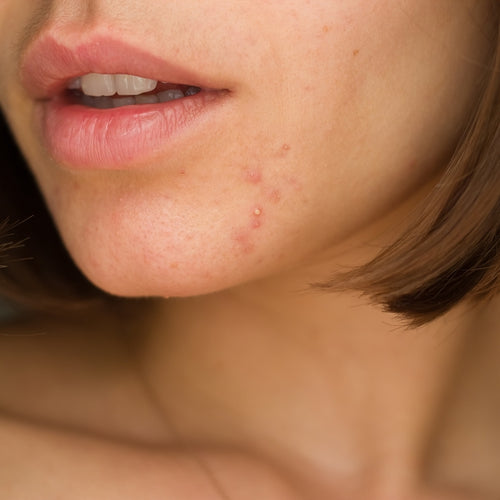
Unlike teenage acne, adult acne often affects the lower face — particularly the jawline, chin, and neck.
Key Differences in Symptoms
While both teenage and adult acne involve pimples, there are differences in severity and type:
Teenage Acne:
- Type: Predominantly blackheads, whiteheads, and pustules.
- Severity: Can range from mild to severe, often covering large areas like the back, chest, and face.
- Skin type: Teens typically have oilier skin.
Adult Acne:
- Type: Often includes deeper, painful cysts and nodules.
- Severity: Tends to be localized, affecting smaller areas such as the jawline.
- Skin type: Adults may have drier skin, making it prone to irritation from certain treatments.
Treating Teenage Acne
Teen acne is often easier to treat because young skin is more resilient and repairs itself faster. Here are effective strategies:
1. Stick to a Consistent Skincare Routine:
- Use a gentle cleanser to avoid stripping the skin.
- Apply a salicylic acid-based product to unclog pores.
- Moisturize with an oil-free, non-comedogenic moisturizer.
2. Spot Treatment:
Benzoyl peroxide can kill acne-causing bacteria and work well on inflamed pimples.
3. Avoid Overwashing:
Washing your face more than twice a day can irritate the skin and trigger more oil production.
4. Seek Professional Help for Severe Acne:
If over-the-counter products don’t work, consult a dermatologist for prescription options like topical retinoids or antibiotics.
Managing Adult Acne
Adult skin tends to be more sensitive, so treatments must be gentle yet effective.
1. Prioritize Hydration:
Many adults with acne also experience dryness. Use products containing hyaluronic acid or ceramides to keep your skin hydrated.
2. Target Hormonal Triggers:
If hormonal imbalances are suspected, consult a dermatologist or healthcare provider. Birth control pills or spironolactone may be prescribed to regulate hormone levels.
3. Choose Non-Comedogenic Products:
Always opt for makeup and skincare products labeled “non-comedogenic” to minimize clogged pores.
4. Incorporate Retinoids:
Retinoids, such as tretinoin, help improve cell turnover and prevent clogged pores. However, they should be introduced gradually to avoid irritation.
5. Stay Stress-Free:
Consider stress management techniques such as yoga, meditation, or regular exercise. Lowering stress levels can help mitigate breakouts.
Lifestyle Tips for Both Age Groups
Regardless of age, maintaining healthy habits can make a big difference:
1. Follow a Balanced Diet:
Avoid excessive sugar and dairy, which may worsen acne. Focus on anti-inflammatory foods like leafy greens, fatty fish, and nuts.
2. Get Enough Sleep:
Aim for 7–9 hours of sleep per night to allow your skin to repair itself.
3. Avoid Touching Your Face:
Touching your face transfers bacteria and oils from your hands, leading to breakouts.
4. Protect Your Skin from the Sun:
Use sunscreen daily to prevent dark spots and post-acne scarring.
When to See a Dermatologist
If your acne is persistent, painful, or impacting your self-esteem, it’s time to seek professional help. A dermatologist can offer personalized treatment options such as:
- Prescription-strength retinoids
- Oral medications, including antibiotics or isotretinoin
- Chemical peels or laser treatments for scarring
Final Thoughts
While acne is frustrating at any age, understanding the differences between teenage and adult acne can empower you to make informed decisions about your skincare routine and lifestyle. Whether you’re a teenager navigating hormonal changes or an adult juggling stress and skincare, effective acne management is within reach. Remember, patience and consistency are key!
Take control of your skin today and consult a dermatologist if needed — because clear skin is possible at any stage of life.