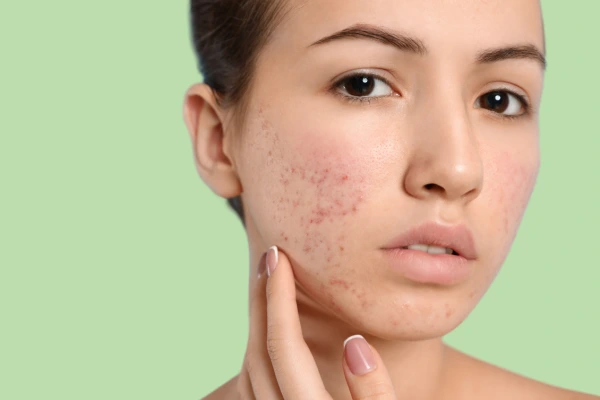
Acne Extraction Do's and Don'ts: Your Guide to Safer Skin Care
Acne extraction—commonly known as ‘popping a pimple’—is one of the most tempting skincare habits, but it can be a double-edged sword. Done correctly, it can help clear the skin; done incorrectly, it may lead to scarring, worsened inflammation, or even infection. This blog will dive into the do's and don'ts of acne extraction, helping you make informed decisions about your skincare routine.
What is Acne Extraction?
Acne extraction involves removing clogged material from pores, typically whiteheads, blackheads, or other forms of acne. This can be done manually (by pressing the affected area) or professionally, using specialized tools. While tempting, improper acne extraction can disrupt your skin’s healing process and lead to long-term damage, so it’s crucial to approach the process responsibly.
The Science Behind Acne and Extraction
Acne occurs when pores become clogged with oil, dead skin cells, and bacteria. The body’s immune response to clogged pores can lead to inflammation, resulting in red, swollen bumps like papules or pustules. Extraction, when performed correctly, can help by removing pore blockages and speeding up the healing process. However, aggressive squeezing or improper techniques can push bacteria and debris deeper into the skin, worsening inflammation and increasing the risk of scarring.
Do's of Acne Extraction
1. Consult a Professional
Dermatologists and licensed estheticians are trained to extract acne safely using sterilized tools and proper techniques. If you have stubborn blackheads or whiteheads, seeing a professional is the safest choice.
2. Use Clean Tools
If you decide to perform extractions at home, ensure your hands and tools are thoroughly sanitized. Use sterile cotton swabs or extraction tools designed specifically for acne removal. Never use your nails, as they can harbor bacteria.
3. Prep Your Skin
Before extracting, soften your skin by washing your face with a mild cleanser and applying a warm compress or steaming for 5-10 minutes. This helps open up the pores, making extraction easier and reducing the risk of damage.
4. Know Your Limits
Only attempt to extract visible, superficial whiteheads or blackheads that have a clear “head.” Deep cystic acne or inflamed pimples should not be touched and require professional care.
5. Follow Up With Skincare
After extraction, soothe your skin with a gentle toner or an anti-inflammatory product like witch hazel or salicylic acid. Follow up with a moisturizer to restore hydration and apply sunscreen to protect your skin from post-inflammatory hyperpigmentation (PIH).
Don'ts of Acne Extraction
1. Don’t Squeeze Blindly
Avoid squeezing pimples without assessing their readiness. Applying excess pressure to a pimple that isn’t ready can rupture the pore lining, leading to deeper infection and scarring.
2. Don’t Skip Hygiene
Never attempt extraction with dirty hands or tools. Cross-contamination can introduce bacteria to the skin, leading to infection and worsened acne.
3. Don’t Touch Inflamed Acne
Resist the urge to pop painful, red, or pus-filled acne (like cysts or nodules). These types of acne are deep within the skin and require medical treatment. Attempting to extract them will only cause more harm.
4. Don’t Overdo It
Limit extractions to 1-2 times per week, maximum, to prevent irritation. Over-extraction can cause micro-tears in the skin and disrupt its natural barrier.
5. Don’t Forget Aftercare
Failing to clean your skin after extraction can leave open pores vulnerable to bacteria, leading to new breakouts. Always finish with gentle, soothing products to reduce inflammation.
Professional Acne Extraction: What to Expect
If you opt for professional extraction, here’s what typically happens:
- Skin Assessment: A dermatologist or esthetician will evaluate your skin and determine the best approach.
- Skin Prep: Your skin will be cleansed and steamed to soften pores.
- Extraction Tools: Specialized tools like comedone extractors are used to remove debris carefully.
- Post-Extraction Care: Professionals will apply soothing products and provide aftercare advice to minimize irritation.
Risks of Improper Acne Extraction
Improper acne extraction can lead to:
- Scarring: Excessive pressure or wrong techniques can damage the skin and form scars.
- Infection: Dirty tools or hands can introduce bacteria, worsening the acne.
- Inflammation: Disrupting the pore lining can cause redness and swelling.
- Hyperpigmentation: Trauma to the skin can lead to dark spots, especially for individuals with darker skin tones.
Tips to Prevent Acne Formation
The best way to reduce the need for extraction is to prevent acne in the first place. Here are some tips:
- Maintain a Consistent Skincare Routine: Cleanse, moisturize, and exfoliate regularly to keep pores clear.
- Use Non-Comedogenic Products: Choose skincare and makeup products labeled ‘non-comedogenic’ to avoid clogging pores.
- Avoid Touching Your Face: Reduce the risk of transferring bacteria to your skin.
- Stay Hydrated and Eat a Balanced Diet: A healthy lifestyle supports skin health.
- Consult a Dermatologist for Persistent Acne: Professional treatments like chemical peels, retinoids, or antibiotics can address stubborn acne.
Final Thoughts
While acne extraction can be beneficial, it must be approached with caution and proper techniques. Focus on prevention, use gentle methods, and consult professionals when necessary. Remember, your skin deserves care and patience, and improving acne takes time.
Ready to prioritize your skin health? Follow these do's and don'ts to safely manage acne and maintain a radiant complexion. For severe or recurrent acne, don’t hesitate to seek help from a dermatologist!