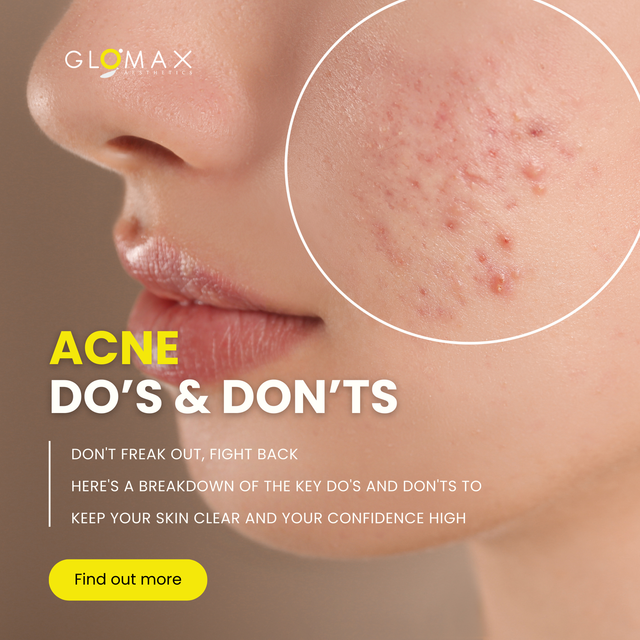
Acne Extraction Do’s and Don’ts for Clearer, Healthier Skin
Acne extraction can be tempting—after all, who doesn’t want to unclog a stubborn pore and get rid of that pesky blemish? But improper techniques can lead to lasting skin damage, irritation, and even worsen your acne. Before you decide to squeeze, pop, or extract a breakout, let’s dive into the right way to handle this sensitive process.
Why Acne Extraction Matters
Acne extraction is the manual removal of blackheads, whiteheads, or clogged pores. While it can deliver immediate results, it’s not a cure for acne and should be approached carefully. When done correctly, extraction can reduce inflammation, prevent the spread of bacteria, and improve skin’s texture. However, improper methods can trigger scarring, infection, or more breakouts.
Scientific studies have shown that managing acne involves a combination of professional treatments, skincare routines, and sometimes prescription medications. Extraction should complement—not replace—these strategies.
The Do’s of Acne Extraction
1. Do Consult a Professional
The safest way to extract acne is by visiting a licensed dermatologist or esthetician. They are trained to use sterile tools and follow proper procedures to minimize the risk of scarring and infection.
According to the American Academy of Dermatology (AAD), professional extractions are highly recommended for stubborn blackheads and whiteheads because experts know exactly how much pressure to apply without damaging the surrounding skin.
2. Do Prep Your Skin Properly
If you opt to do it yourself, preparation is key. Start by washing your face with a gentle cleanser to remove dirt and oils. Then, use a warm compress or steam for 5 minutes to soften the skin and open up your pores, making it easier to extract without causing trauma.
3. Do Use Sterile Tools
Cleanliness is crucial when extracting acne at home. Use sterilized extraction tools or clean fingertips wrapped in tissue to prevent introducing bacteria to your skin. Disinfect your tools with rubbing alcohol before and after use.
4. Do Follow Up With Aftercare
Post-extraction care is vital for healing and preventing infection. Clean the area with an antiseptic or toner containing salicylic acid or witch hazel to soothe the skin and reduce redness. Apply a non-comedogenic moisturizer to keep your skin hydrated.
Dermatologists recommend avoiding harsh scrubs or exfoliants after extraction, as these can further irritate the skin.
The Don’ts of Acne Extraction
1. Don’t Extract Inflamed or Deeply Embedded Acne
Cystic acne, nodules, or red, inflamed pimples should never be extracted at home. These lesions are located deeper in the skin and squeezing them can rupture the follicle wall, leading to scarring or spreading bacteria. Instead, consult a dermatologist for appropriate treatment, such as cortisone injections or prescription medications.
2. Don’t Apply Excessive Pressure
It’s easy to get carried away when trying to remove a stubborn blackhead, but pressing too hard can damage your skin. If the blemish doesn’t release easily, stop immediately and avoid forcing it.
Excessive pressure can push bacteria deeper into the pore, leading to inflammation, infection, and eventual scarring.
3. Don’t Forget to Wash Your Hands
Your hands can carry bacteria, which can transfer to your skin during extraction. Always wash your hands thoroughly with soap and water before touching your face. If possible, wear disposable gloves to further reduce contamination.
4. Don’t Overdo It
Resist the temptation to extract every single blemish in one session. Over-extraction can cause irritation, redness, and swelling. Limit yourself to a few blemishes at a time and give your skin a chance to heal before attempting more.
When to Seek Professional Help
Acne extraction is not always the best solution, especially for severe or persistent acne. If your acne doesn’t improve with over-the-counter treatments or self-care, talk to a dermatologist. They can recommend options like chemical peels, laser treatments, or prescription medications tailored to your skin.
Final Thoughts
Acne extraction can be a helpful tool, but it’s important to approach it with care and knowledge. When in doubt, always consult a professional to avoid unnecessary skin damage. Remember, healthy skin is about more than just quick fixes—it’s a combination of consistent skincare, a balanced lifestyle, and expert guidance when needed.
Follow these do’s and don’ts to keep your skin safe and glowing. Your face will thank you!
Key Takeaways
- Always consult a dermatologist for severe acne types or professional extractions.
- Prep your skin thoroughly and use sterile tools if extracting at home.
- Avoid inflamed or cystic acne and never apply excessive pressure.
- Practice proper aftercare to encourage healing and prevent infection.
If you’ve tried DIY extractions, what works best for you? Share your experiences in the comments below!