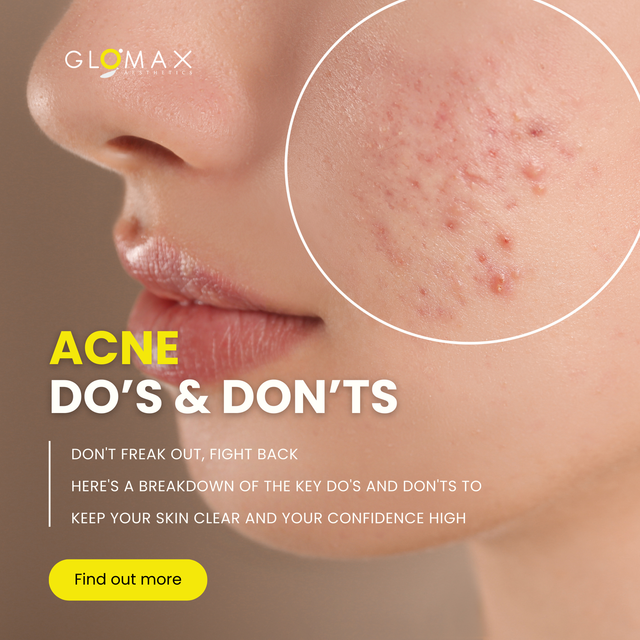
Acne Extraction Do's and Don'ts: A Comprehensive Guide
Acne extraction can be tempting—after all, who doesn't want a clear face free of blemishes? However, improper techniques can lead to scarring, infections, and worsened acne. If you're considering removing a pesky pimple, this guide will help you navigate the dos and don'ts of acne extraction safely and effectively.
Why Acne Extraction Matters
Acne extraction refers to the manual removal of blackheads, whiteheads, and pimples from the skin. While professional extraction by trained dermatologists or estheticians can improve your skin's appearance, DIY extraction at home comes with risks.
The skin is delicate, and squeezing blemishes with dirty fingers or tools can push bacteria deeper into the pores, cause irritation, and delay healing. Maintaining proper techniques is essential to avoid unwanted consequences.
The Science Behind Acne Extraction
When you extract a pimple correctly, you remove the buildup of sebum, dead skin cells, and bacteria trapped in your pores. However, scientific studies and dermatological guidelines emphasize one crucial point: not all pimples should be extracted. Inflamed or cystic acne should never be squeezed, as this can lead to scar tissue formation and hyperpigmentation.
Instead, these types of acne are best treated with topical treatments, oral medications, or procedures like chemical peels or laser therapy prescribed by your dermatologist.
Acne Extraction Do’s
1. Leave It to the Professionals
The safest option for acne extraction is visiting a licensed dermatologist or esthetician. They use sterile tools like comedone extractors and apply proper techniques to prevent damage to your skin.
2. Use Clean Tools and Hands
If you must perform a DIY extraction, ensure your hands and extraction tools are thoroughly cleaned. Wash your hands with soap and disinfect tools with alcohol to reduce the risk of infection.
3. Prep Your Skin
Before extracting, steam your face to open your pores. You can do this by leaning over a bowl of hot water or taking a warm shower. Softening the skin makes extraction easier and minimizes trauma.
4. Be Gentle
Only extract blackheads or whiteheads that are sitting at the surface of the skin. Apply gentle pressure around the pimple using clean tissue or gauze to ensure minimal irritation.
5. Follow Up With Care
After extraction, use a soothing toner or antibacterial solution to prevent infection. Apply a non-comedogenic moisturizer to help your skin heal and restore balance.
Acne Extraction Don’ts
1. Don’t Extract Inflamed Pimples
Never attempt to squeeze red, swollen, or painful pimples, cysts, or nodules. Popping them can push bacteria deeper into the skin, leading to severe inflammation and scars.
2. Don’t Use Sharp Objects
Avoid using pins, needles, or any unsterilized objects to pierce your skin. Doing so can create open wounds and increase the likelihood of infection and permanent scarring.
3. Don’t Overdo It
Repeatedly attempting to extract the same pimple can damage your skin barrier and result in hyperpigmentation or scarring. If a blemish doesn’t budge, step away and let it heal naturally.
4. Don’t Skip Sterilization
Failing to clean your tools or hands before extraction can introduce bacteria to your skin. This increases the risk of infection, which might lead to worsening acne.
5. Don’t Ignore Aftercare
Skipping aftercare can leave your skin vulnerable to irritation and bacteria. Never forget to cleanse, tone, and moisturize your skin after extraction to promote healing.
Common Myths About Acne Extraction
Myth 1: "Popping a Pimple Makes It Go Away Faster"
Fact: While extraction may temporarily remove visible signs of acne, improper techniques can push bacteria deeper, causing prolonged healing and possible scarring.
Myth 2: "You Can Extract Any Type of Acne"
Fact: Only non-inflamed acne, such as blackheads and mature whiteheads, can be safely extracted. Inflamed or cystic acne requires professional treatment.
Myth 3: "The More You Extract, the Better Your Skin Gets"
Fact: Over-extraction can damage your skin's barrier and lead to irritation, hyperpigmentation, and scarring. Less is often more.
Practical Tips for Acne-Free Skin
While acne extraction can be a part of your skincare routine, prevention is key. Follow these tips for clearer skin:
- Cleanse Regularly: Use a gentle, non-comedogenic cleanser daily to remove dirt and oil from your skin.
- Exfoliate: Incorporate mild exfoliation 2-3 times a week to prevent clogged pores.
- Hydrate: Keep your skin moisturized with a product suited for your skin type.
- Use Acne Treatments: Consider topical treatments with ingredients like salicylic acid, benzoyl peroxide, or retinoids to address breakouts.
- Avoid Touching Your Face: Resist the urge to pick or touch your pimples throughout the day.
When to See a Dermatologist
If you're struggling with persistent or severe acne, it's time to consult a dermatologist. Professional treatments, such as chemical peels, laser therapy, or prescription medications, can target acne more effectively than at-home remedies.
Final Thoughts
Acne extraction has its place in skincare, but it shouldn’t be your go-to solution for every blemish. Understanding the do's and don'ts will help you handle your skin with care and minimize the risk of damage. When in doubt, seek professional advice and focus on preventive measures for long-term skin health.
Remember, acne is normal, and treating it with patience and the right approach can make all the difference!
Do you have questions or personal experiences about acne extraction? Share them in the comments below—we love hearing from you!