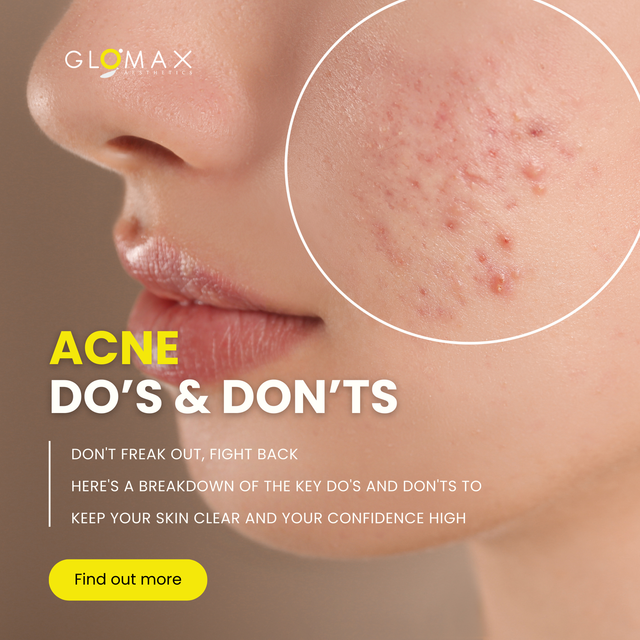
Acne Extraction Do's and Don'ts: A Guide to Clearer Skin
Acne extraction can be a tempting solution when dealing with stubborn pimples or clogged pores. While professional treatments by dermatologists are ideal, there are times when you might consider handling acne at home. However, improper techniques can lead to scarring, infection, and worsening acne. In this guide, we’ll break down the do’s and don’ts of acne extraction so you can protect and care for your skin effectively.
What Is Acne Extraction?
Acne extraction refers to the process of removing dirt, oil, and debris trapped in clogged pores or blackheads. Dermatologists often perform this procedure professionally using sterile tools to minimize the risk of inflammation or scarring. While it may seem simple to replicate at home, extraction requires careful attention to hygiene and technique to ensure that your skin remains healthy.
The Risks of Improper Acne Extraction
Before diving into the tips, let’s address why acne extraction can sometimes do more harm than good. When performed incorrectly, the risks include:
- Skin damage: Aggressive squeezing or picking can lead to tears in the skin, causing scarring.
- Infections: Bacteria from hands or non-sterile tools can enter the skin, exacerbating inflammation.
- Prolonged healing: Improper extraction may push the blockage deeper into the pore, prolonging recovery time.
- Permanent scarring: Overzealous picking can result in atrophic scars, making acne harder to manage long-term.
When Is It Safe to Extract Acne?
Extraction is generally safe for certain types of acne, such as:
- Blackheads: These open comedones usually respond well to gentle removal since the pore is already open.
- Whiteheads: Closed comedones may be extracted if they are close to the surface and not inflamed.
Never attempt to extract inflamed pimples like cystic acne or deep nodules. These require professional treatment and can worsen significantly if tampered with.
Acne Extraction Do’s
1. Do Clean Your Hands and Tools
Hygiene is crucial when performing extractions. Wash your hands thoroughly with soap and warm water, and sterilize any tools you plan to use (like comedone extractors) with rubbing alcohol. Avoid using sharp objects like needles or tweezers.
2. Do Prep Your Skin
Start by cleansing your face with a gentle, non-comedogenic cleanser to remove surface oil and dirt. Follow up with a warm compress or steam for 5-10 minutes to soften the skin and open up your pores. This step reduces resistance and makes the extraction process smoother.
3. Do Apply Light Pressure
When using clean fingers or a sterile comedone extractor, apply gentle, even pressure around the clogged pore. If the debris doesn’t come out easily, stop immediately—forcing it can damage the skin.
4. Do Follow Up With Post-Extraction Care
After extraction, cleanse your skin again to remove bacteria and debris. Apply a soothing, alcohol-free toner or a spot treatment containing salicylic acid or benzoyl peroxide to calm inflammation and target acne-causing bacteria.
5. Do Seek Professional Help for Persistent Acne
If you frequently feel the need to extract acne, consult a dermatologist. They can perform safe and effective extractions and offer treatments like chemical peels, retinoids, or prescription medications to address the root of the problem.
Acne Extraction Don’ts
1. Don’t Squeeze Cystic or Inflamed Acne
Attempting to extract deep, painful acne like cysts or nodules will only worsen inflammation and increase the likelihood of scarring. These types of acne require professional care.
2. Don’t Use Dirty Tools or Fingers
Never use your nails, sharp objects, or unclean tools to pick at your acne. These introduce bacteria and can lead to serious skin infections, worsening your condition.
3. Don’t Overdo It
Excessive extraction can damage your skin and cause long-term issues like hyperpigmentation or scars. Limit extractions to once a week, and only address easily removable spots.
4. Don’t Skip Aftercare
Failing to treat your skin after extraction can leave it vulnerable to bacteria, irritation, and new breakouts. Always cleanse and apply soothing products after any procedure.
5. Don’t Start If You’re Unsure
If you’re unsure whether a spot can be safely extracted, leave it alone. It’s better to wait for professional help than risk damaging your skin.
Expert Advice: When to See a Dermatologist
If your acne persists despite your best efforts, or if you’re dealing with severe types like nodular or cystic acne, it’s time to consult a dermatologist. They can offer treatments like:
- Chemical Peels: These exfoliate the skin and help unclog pores.
- Laser Therapy: Reduces inflammation and kills acne-causing bacteria.
- Prescription Medications: Oral or topical medications such as retinoids or antibiotics can treat stubborn acne effectively.
- Professional Extraction: Dermatologists use sterile tools and techniques to safely remove blackheads, whiteheads, and milia.
Final Thoughts
Acne extraction can be a helpful tool in your skincare routine when done safely and sparingly. Prioritize hygiene, avoid aggression, and understand the limits of what you can handle at home. When in doubt, seek professional care to prevent complications and achieve healthier, clearer skin.
Remember, acne management is a journey, and achieving long-term results often requires combining good skincare practices with expert guidance. Your skin deserves the best care—one clean, gentle step at a time.
Key Takeaways
- Only extract non-inflamed acne like blackheads and whiteheads.
- Avoid squeezing deep or cystic acne.
- Maintain hygiene, prep your skin, and follow up with aftercare.
- Consult a dermatologist for severe or persistent acne concerns.
Start your acne treatment journey today, and remember: patience and consistency are your best allies in achieving clear skin.