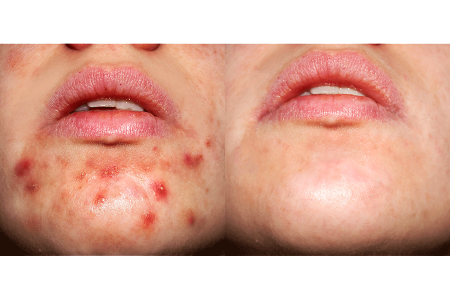
Acne Extraction Do's and Don'ts: A Dermatologist's Guide
Acne extraction—or popping pimples—is one of those activities that people know they shouldn't do, but let’s face it, the temptation can be hard to resist. While there are instances where extraction can be done safely, improper techniques can lead to scarring, infection, and even worsening acne. In this blog post, we’ll explore the do’s and don’ts of acne extraction, debunking common myths and providing actionable advice to protect your skin.
Myth vs. Fact: Can You Safely Pop Pimples?
Myth: Popping pimples always clears your skin faster.
Fact: While it may seem like a quick solution, improper extraction techniques can cause more harm than good, including pushing bacteria deeper into the skin and increasing inflammation. Acne extraction should only be done with proper tools, techniques, and hygiene—or better yet, by a professional.
The Risks of Improper Acne Extraction
Before diving into the do’s and don’ts, it’s important to understand the risks of improper pimple popping:
- Scarring: Picking at acne can damage the skin tissue, leading to permanent scars.
- Infection: Unsanitized hands or tools can transfer bacteria, potentially causing skin infections.
- Worsening Acne: Improper techniques may push bacteria and debris deeper into the pores, leading to larger and more inflamed breakouts.
- Delayed Healing: Squeezing pimples can rupture the walls of your pores, prolonging the healing process.
Acne Extraction Do’s
If you feel that extraction is unavoidable, follow these steps to minimize risks:
1. Consult a Dermatologist or Esthetician
Professionals have the proper tools and expertise to safely extract acne without damaging your skin. They sterilize their tools, use clean techniques, and know which pimples can and cannot be extracted.
2. Prep Your Skin
If you plan to extract acne at home (though it’s not recommended), start by cleaning your skin. Wash your face with a gentle cleanser and use a warm compress to soften the skin and open up your pores. This can make the extraction process safer and easier.
3. Use Sterilized Tools
Hands are a breeding ground for bacteria. Instead of using your fingers, opt for extraction tools (like comedone extractors) that have been sanitized properly. Wipe the tools down with alcohol before and after use.
4. Target the Right Acne Lesions
Only extract non-inflammatory lesions like blackheads and whiteheads. Trying to pop cystic acne or nodules will likely worsen the issue. These types of acne are located deep in the skin and require professional treatment.
5. Apply Post-Extraction Care
Once the extraction is complete, apply a gentle anti-inflammatory product, such as benzoyl peroxide or salicylic acid, to prevent infection and calm redness. Follow up with a soothing moisturizer to support your skin barrier.
Acne Extraction Don’ts
Avoid these common mistakes to protect your skin:
1. Don’t Pop with Dirty Hands or Tools
Using unclean hands or tools introduces bacteria to the skin, increasing the risk of infection. Always sterilize tools and wash your hands thoroughly before touching your skin.
2. Don’t Force Extraction
If a blackhead or whitehead does not come out with gentle pressure, stop immediately. Forcing it can lead to broken skin, irritation, and scarring.
3. Don’t Squeeze Inflamed or Cystic Pimples
Cystic acne and inflamed pimples are rooted deeply under the skin. Squeezing them can rupture the inner walls of the pore, spreading bacteria and causing more severe inflammation. These types of acne should be treated by a dermatologist.
4. Don’t Skip Aftercare
Skipping aftercare can leave your skin vulnerable to bacteria, resulting in infection or worsening acne. Always disinfect the area and keep it moisturized after extraction.
5. Don’t Over-Extract
Your skin needs time to heal after extraction. Picking at your skin repeatedly can lead to irritation, redness, and scarring. If you’re experiencing frequent acne, focus on prevention strategies instead of extraction.
Prevention Is Better Than Extraction
The best way to avoid acne extraction altogether is to prevent acne before it develops. Here are some tips for maintaining clear skin:
- Follow a Consistent Skincare Routine: Use a gentle cleanser, exfoliate regularly (with chemical exfoliants like salicylic acid), and moisturize daily.
- Control Oil Production: If you have oily skin, look for non-comedogenic products and consider using blotting papers or mattifying skincare.
- Avoid Trigger Foods: Some people find that dairy or high-glycemic foods worsen their acne. Keep a food diary to identify potential triggers.
- Manage Stress: Stress can contribute to hormonal imbalances that trigger acne. Practice stress-reduction techniques like mindfulness, yoga, or exercise.
- Seek Professional Treatments: For frequent or severe acne, dermatologists can recommend treatments such as prescription topical medications, oral antibiotics, or even isotretinoin.
Final Thoughts
While acne extraction might be tempting, it’s not always the best choice for your skin. Improper techniques can cause scarring, infection, and prolonged healing. The safest route is to consult a professional or focus on prevention strategies that keep acne from forming in the first place. If you must extract at home, follow the do’s and don’ts outlined above to minimize risks and protect your skin.
Your skin deserves care, patience, and expertise—so treat it well and avoid unnecessary damage. When in doubt, consult a dermatologist for guidance on treating acne safely and effectively.
Related Articles
- [10 Common Acne Myths, Debunked]
- [How to Build a Skincare Routine for Acne-Prone Skin]
- [The Benefits of Professional Acne Treatments]
Did You Know?
According to the American Academy of Dermatology, up to 50 million Americans experience acne annually, making it one of the most common skin conditions. You’re not alone in your journey to clear skin!