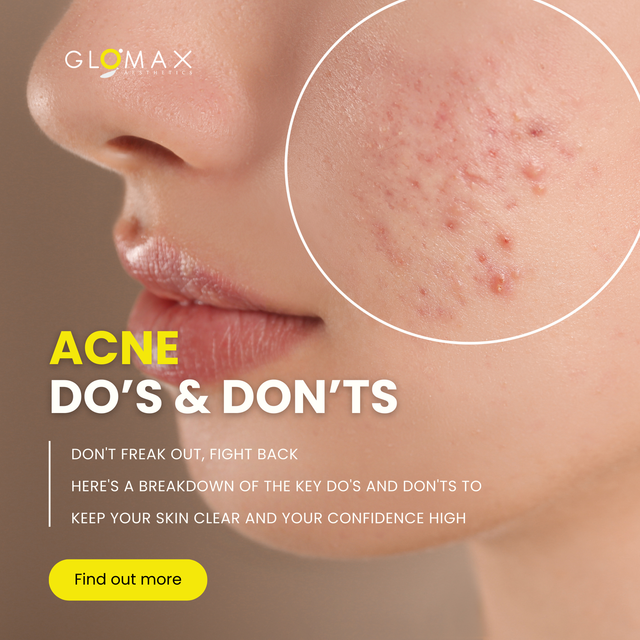
Acne Extraction Do's and Don'ts: A Clear-Skin Guide
Acne extraction can feel like an instant fix for stubborn pimples, but without the right approach, it can quickly lead to irritation, scarring, or even more breakouts. Before you reach for your fingers or tools, it's essential to know the safe practices for acne extraction and understand when it's best to leave it to the professionals. In this guide, we’ll explore the do’s and don’ts of acne extraction, so you can make informed decisions for your skin.
What Is Acne Extraction?
Acne extraction is the process of removing blackheads, whiteheads, or clogged pores from the skin. It’s often performed by dermatologists or licensed estheticians using sterile tools and proper techniques to avoid skin damage. While it might be tempting to DIY extractions at home, doing so improperly can worsen your skin’s condition.
Why Proper Acne Extraction Matters
When you attempt extractions without the right preparation or technique, it can lead to complications such as:
- Infections: Unclean hands or tools can introduce bacteria into the pores.
- Scarring: Aggressively squeezing or poking the skin can cause permanent damage.
- Inflammation: Improper extraction techniques can worsen redness and swelling.
- Worsened Breakouts: Popping pimples improperly can spread bacteria to nearby areas.
Understanding the right practices can help you avoid these common pitfalls.
The Do's of Acne Extraction
1. Do Prep Your Skin Properly
Before attempting any acne extraction, cleanse your face thoroughly to remove dirt, oil, and bacteria. Use a gentle, non-comedogenic cleanser suited for your skin type. For optimal results:
- Steam your face for 5-10 minutes using a bowl of hot water or a warm towel. This helps open up your pores, softening the skin and making extractions easier and safer.
2. Do Use Sterile Tools
If you’re using extraction tools, ensure they are clean and sterile. Wipe them with rubbing alcohol before and after use. Only use tools designed for extractions, such as a comedone extractor, and never sharp objects like needles or pins, which can tear the skin.
3. Do Be Gentle
Apply minimal pressure when performing extractions. If the blackhead or whitehead does not come out easily, leave it alone. Forcing it can push bacteria deeper into the skin, causing inflammation or cystic acne.
4. Do Soothe Your Skin Afterward
Post-extraction care is critical to reduce inflammation and promote healing. Apply a soothing, alcohol-free toner or a cold compress to calm the skin. Follow up with a light, non-comedogenic moisturizer to restore hydration. If redness or swelling occurs, a spot treatment with salicylic acid or benzoyl peroxide can help.
5. Do Know When to See a Professional
If you’re dealing with deep, painful cystic acne or persistent blackheads, consult a dermatologist or licensed esthetician. Professionals have the expertise and tools to safely extract blemishes without risking scarring or infections. A board-certified dermatologist may also recommend treatments like chemical peels or acne medications for long-term management.
The Don'ts of Acne Extraction
1. Don’t Pick at Inflamed or Cystic Acne
Cystic acne lies deep within the skin and cannot be extracted manually. Attempting to pop or squeeze cysts will only increase inflammation and the risk of scarring. Instead, treat cystic acne with topical or oral medications prescribed by a dermatologist.
2. Don’t Use Dirty Hands or Tools
Touching your face with unclean hands introduces bacteria, increasing the likelihood of infection. Similarly, using unsterilized tools can aggravate the skin. Always prioritize cleanliness before attempting any extractions.
3. Don’t Extract Too Often
Over-extraction can damage the skin’s natural barrier, making it more prone to irritation and breakouts. Limit extractions to once every few weeks, and only if necessary. Frequent extractions can lead to redness, dryness, and sensitivity.
4. Don’t Skip Aftercare
Post-extraction care is as important as the extraction itself. Neglecting aftercare can lead to irritation, prolonged redness, or even infections. Always follow up with gentle products to calm and protect the skin.
5. Don’t Ignore Warning Signs
If you notice excessive redness, swelling, or oozing after an extraction, it could be a sign of infection. In such cases, seek professional advice from a dermatologist immediately.
Alternatives to DIY Acne Extractions
If you’re hesitant to perform extractions at home, here are some effective alternatives to consider:
- Chemical Exfoliants: Products containing salicylic acid or glycolic acid can help unclog pores over time without manual extraction.
- Retinoids: Retinoids speed up cell turnover, preventing clogged pores and reducing the formation of blackheads and whiteheads.
- Professional Facials: Regular facials with a licensed esthetician can include safe extractions and additional treatments tailored to your skin’s needs.
Final Thoughts
While acne extraction can be tempting, it’s not always the best solution for every blemish. By following the do’s and don’ts outlined above, you can minimize the risk of skin damage and support your journey toward clear, healthy skin. Remember, when in doubt, consult a dermatologist or skin expert—they’re there to help you achieve the best results safely.
Healthy skin takes patience and proper care. Treat it kindly, and it will thank you in the long run!